
Hey, Friend! Welcome back to another post. Today, I want to show you the historic marker plaques in Automobile Alley Historic District in Oklahoma City. Let’s get started!
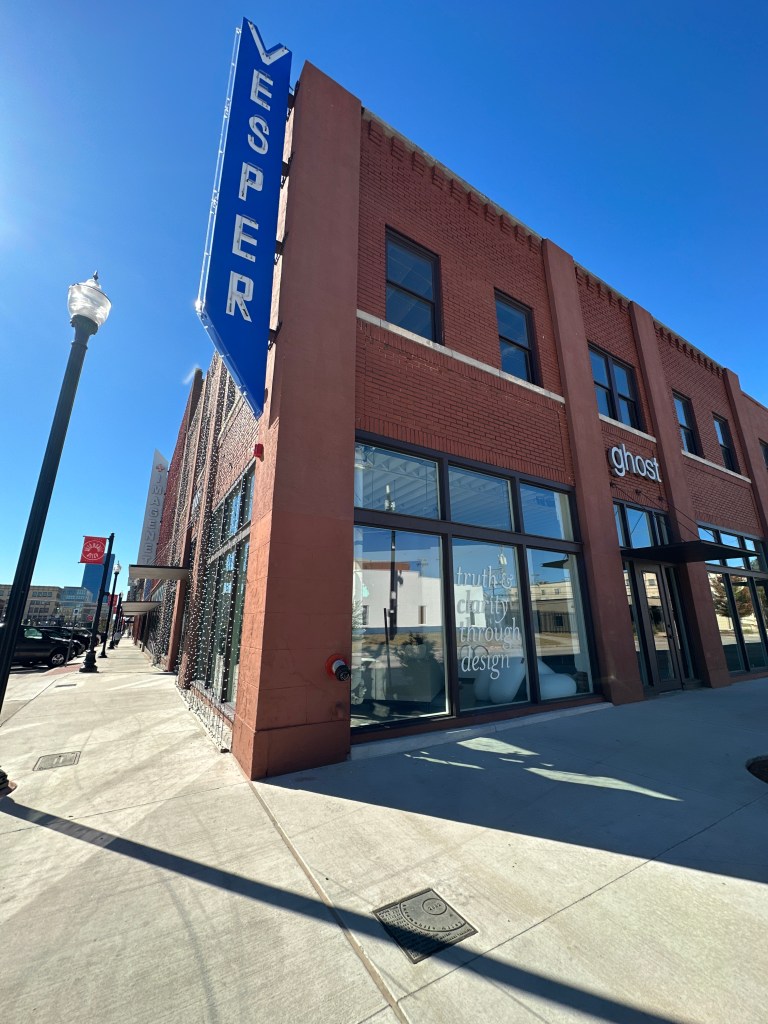
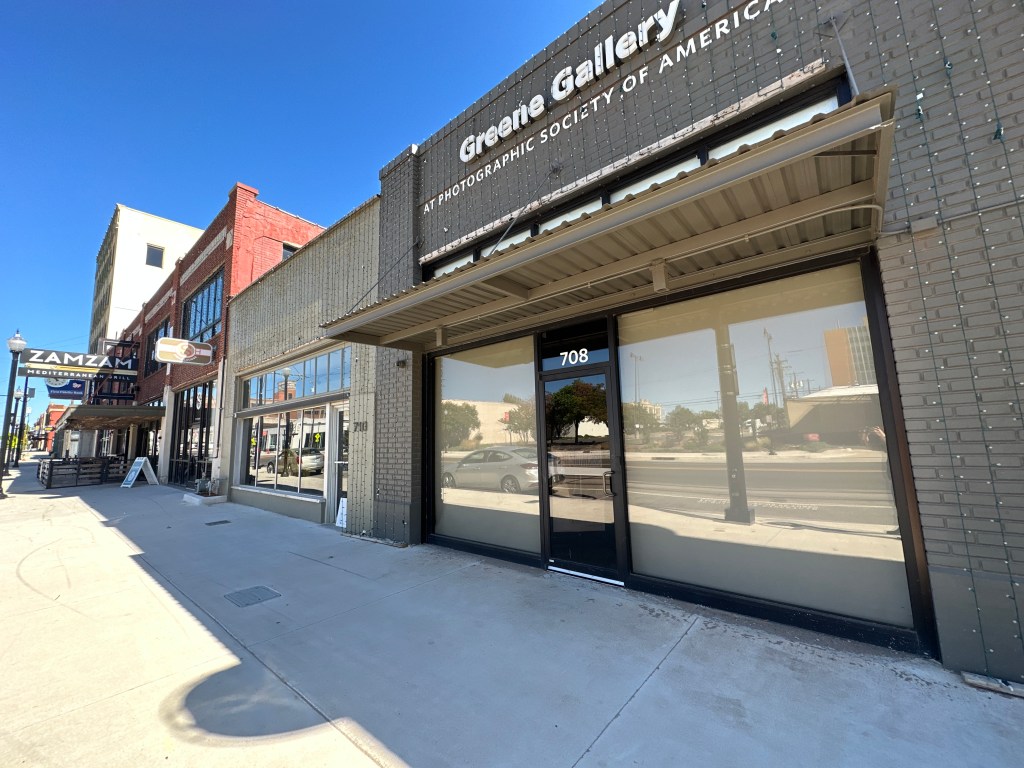
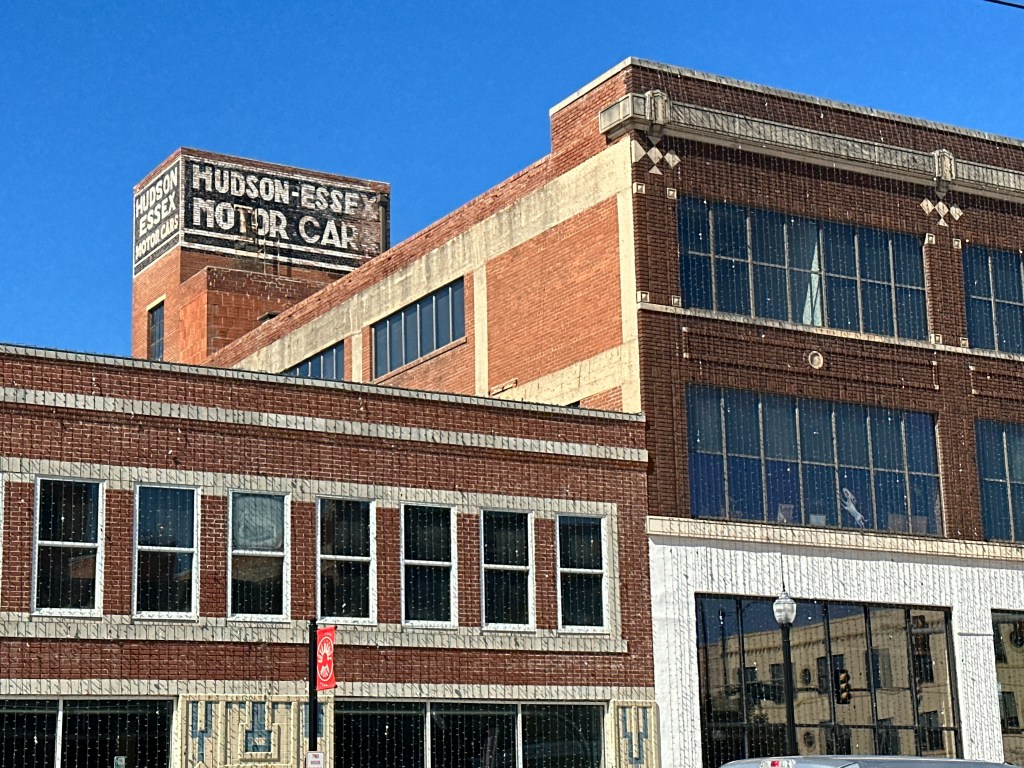
Photos of Select Buildings
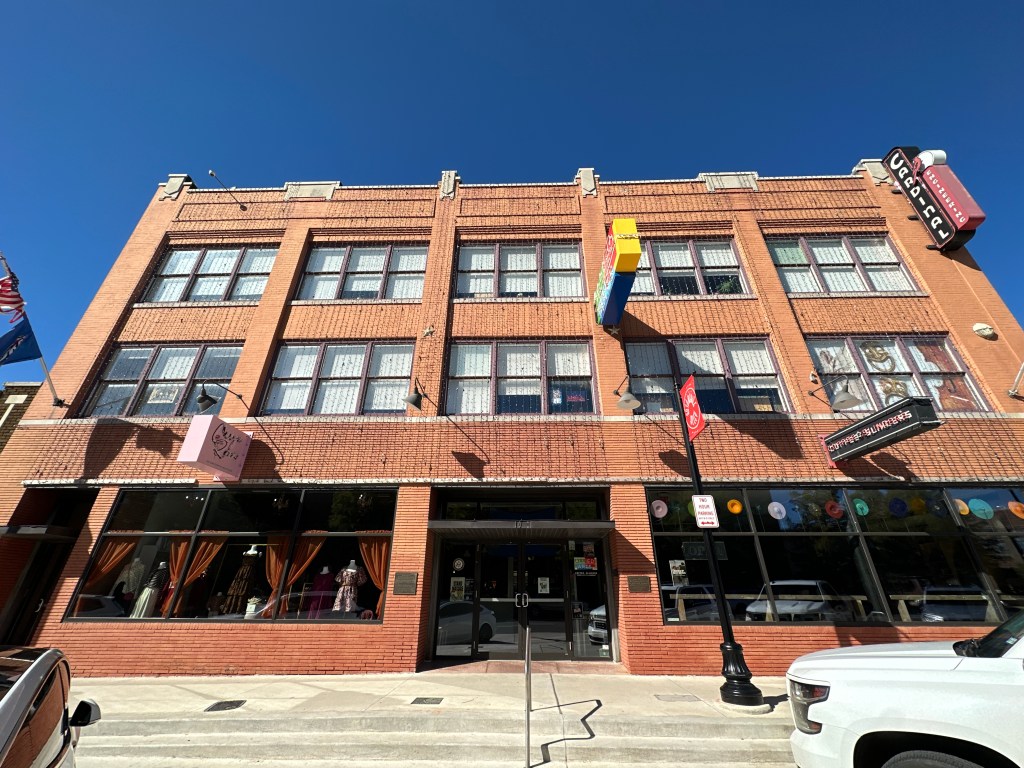
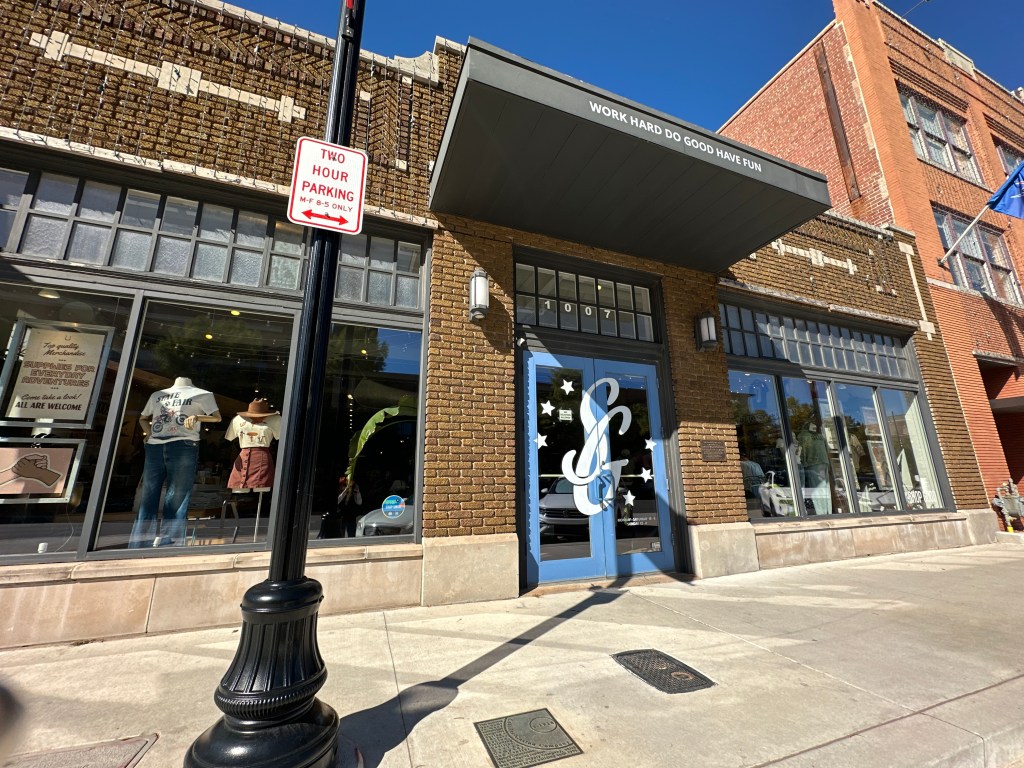
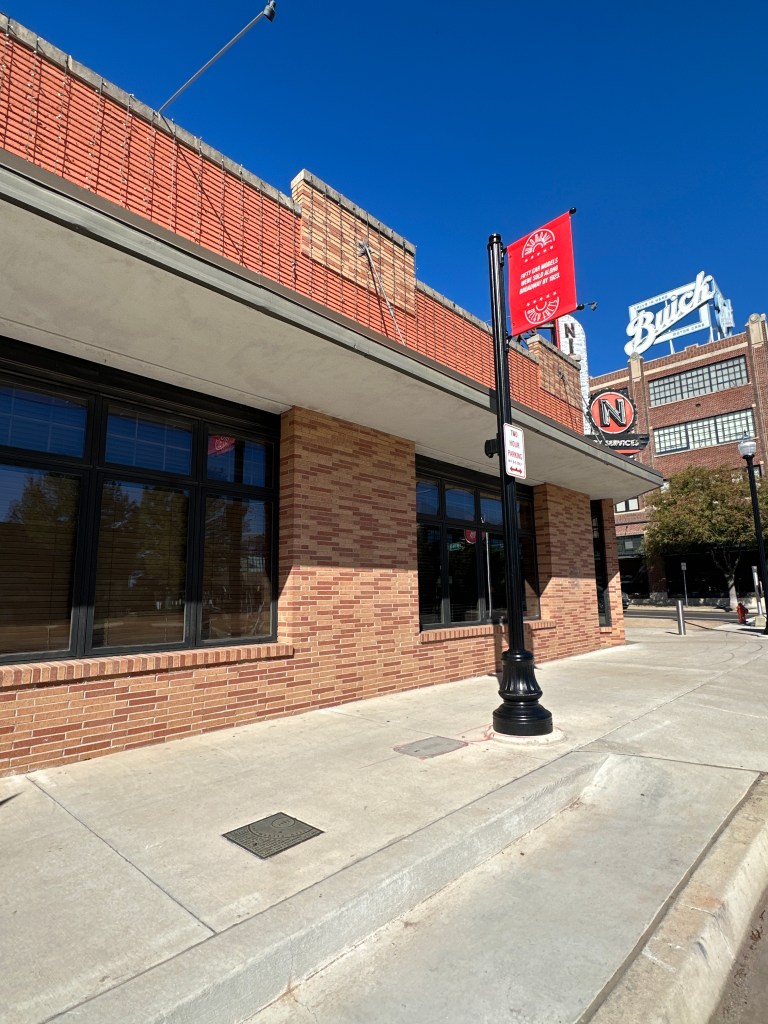
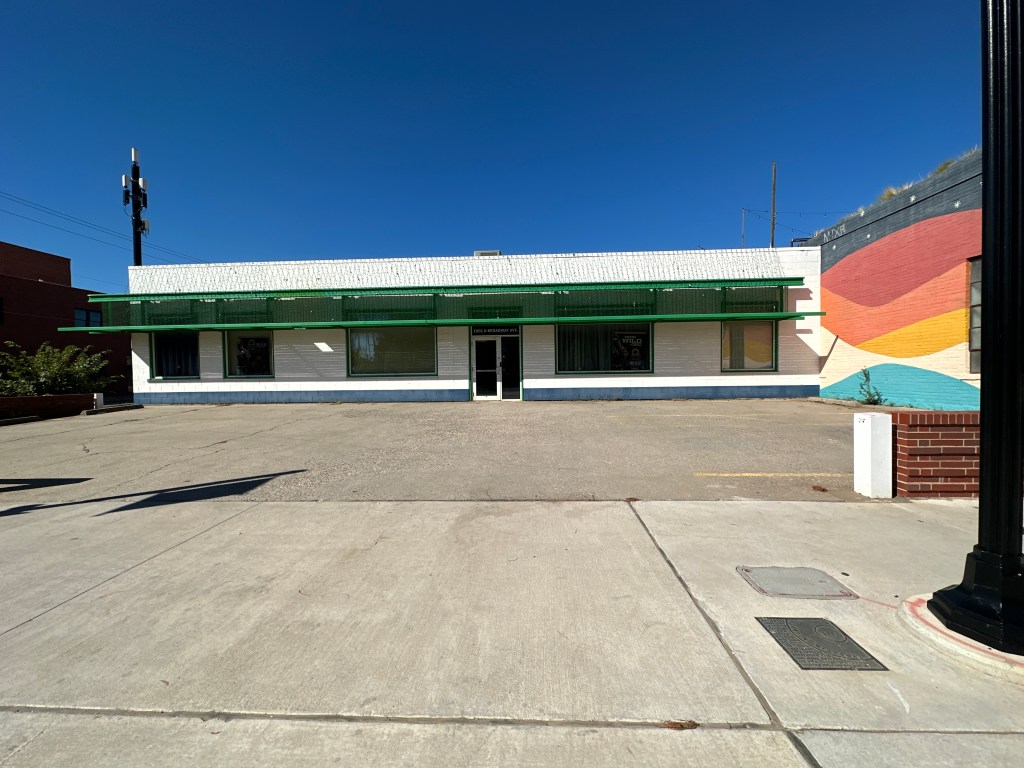
The plaques can be found on the East and West side of Broadway in OKC between 7th & 10th streets. The historic markers are in the sidewalk in front of the buildings along Broadway, but there were too many cars in the middle of the day to get good pictures of all of the buildings with their historic markers.





Historic Markers Transcribed

Automobile Alley 2002
“The first Cadillac featuring tailfins debuted in 1948. The style was inspired by the twin-fuselage World War II fighter plane, the P-38. Tail-fins served no actual purpose other than to make a car look fast. Cadillac’s fins increased in size evert year throughout the 1950s, peaking in 1959.”

Greenlease-Moore Cadillac Co. 1920
“The famous Oklahoma architect Solomon Layton originally designed and owned this grand building. The space was first home to Greenlease-Moore Cadillac Company. The Vocational Education for National Defense used the building during World War II as a training facility.”

Automobile Alley 2002
“In 1935 as Austrian-born auto engineer by the name of Ferdinand Porsche built the 295-horsepower P-wagon as a Grand Prix racer. Within a year, it reached top speeds of 250 miles per hour.”
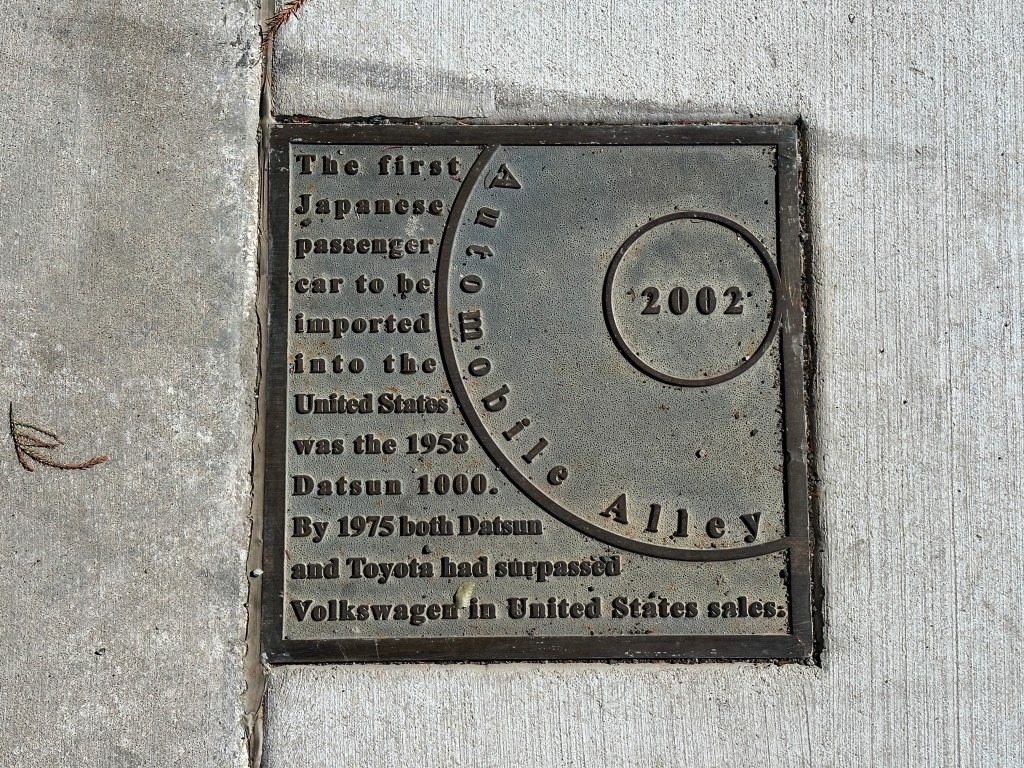
Automobile Alley 2002
“The first Japanese passenger car to be imported into the United States was the 1958 Datsun 1000. By 1975 both Datsun and Toyota had surpassed Volkswagen in United States sales”
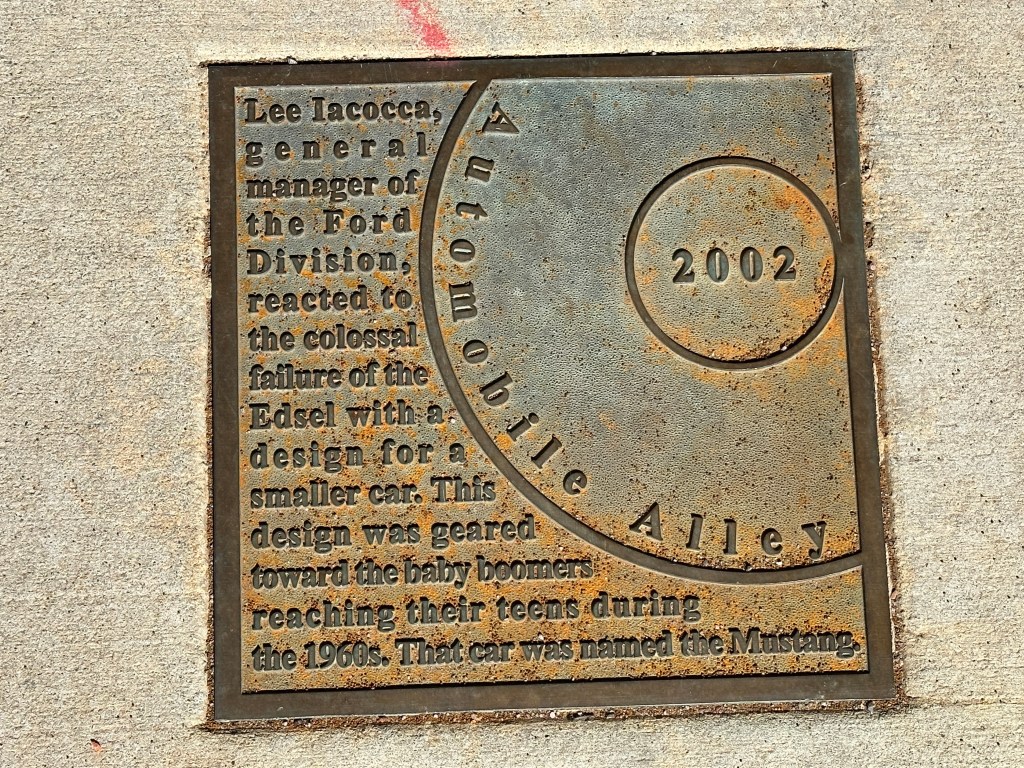
Automobile Alley 2002
“Lee Iacocca, general manager of the Ford Division, reacted to the colossal failure of the Edsel with a design for a smaller car. This design was geared toward the baby boomers reaching their teens during the 1960s. That car was named the Mustang.”
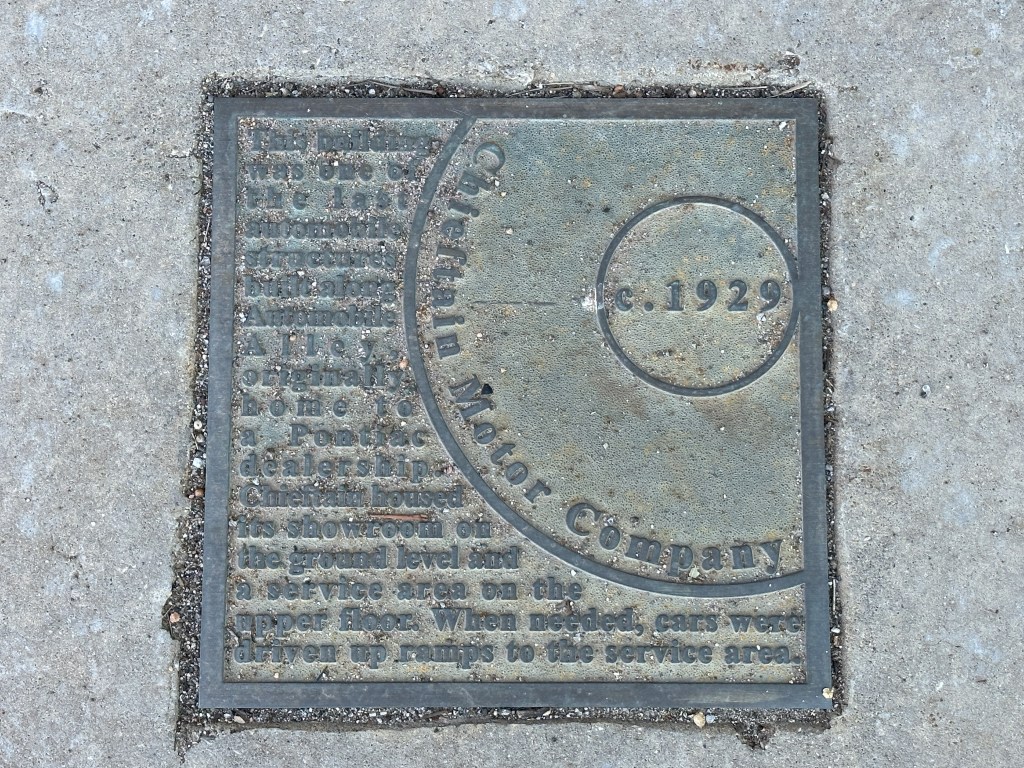
Chieftain Motor Company c. 1929
“This building was one of the last automobile structures built along Automobile Alley, originally home to a Pontiac dealership. Chieftain housed its showroom on the ground level and a service area on the upper floors. When needed, cars were driven up ramps to the service area.”

A.G. Hoge Hardware Company c. 1926
“This was one of the very few buildings on Automobile Alley not to sell or service motorcars. The A.G. Hoge Hardware Company opened its doors in 1926 and maintained a steady business from this location through the mid-1950s.”

Buick Motor Company 1926
“By the 1920s a booming automobile industry forced companies to expand facilities for handling parts and vehicles. The Buick Motor Company, which began in a small two-level building, constructed this four-story warehouse and assembly plant in 1926.”
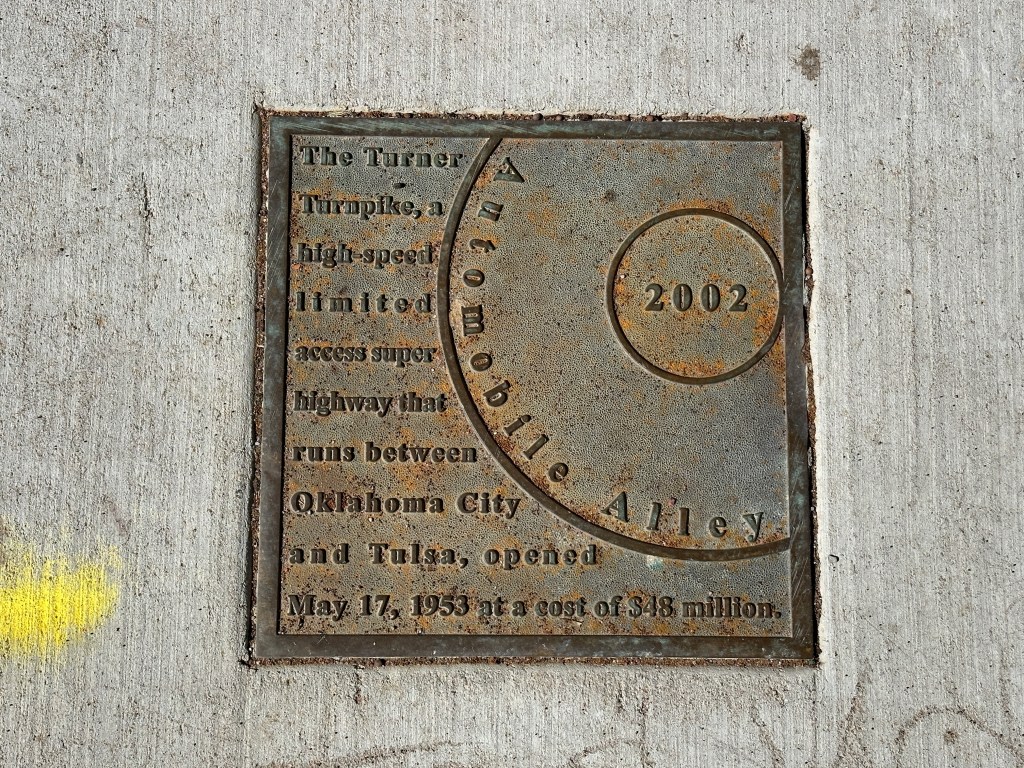
Automobile Alley 2002
“The Turner Turnpike, a high-speed limited access super highway that runs between Oklahoma City and Tulsa, opened May 17, 1953 at a cost of $48 million.”

Automobile Alley 2002
“The first compact automobile manufactured in the United States after World War II was the Nash Rambler. The American Motor Company introduced the Amber in 1950, with a six-cylinder engine and a price tag of $1,800.”
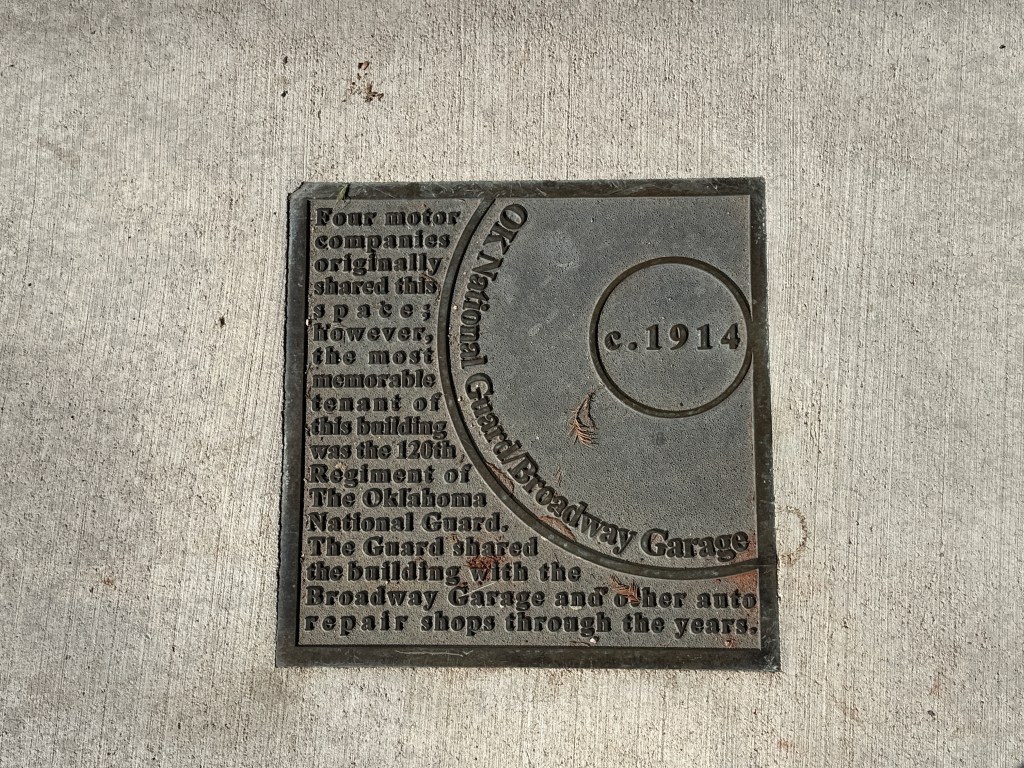
OK National Guard/Broadway Garage c. 1914
“Four motor companies originally shared this space; however, the most memorable tenant of this building was the 120th Regiment of The Oklahoma National Guard. The Guard shared the building with the Broadway Garage and other auto repair shops through the years.”

Cadillac-Gaston Company c. 1918
“This building was home to many automobile companies during a 30-year period, including Cadillac-Gaston Company and Capital Motors Corporation. The best known resident was Motor Supply Company, which remained in the building until 1956.”

1001 N. Broadway 1981
“During the 1920s – 40s this site was home to two separate buildings, both facing 9th Street. The Victoria Apartments were located here, along with four shops. Each had its own storefront. The existing structure was built in 1981.”
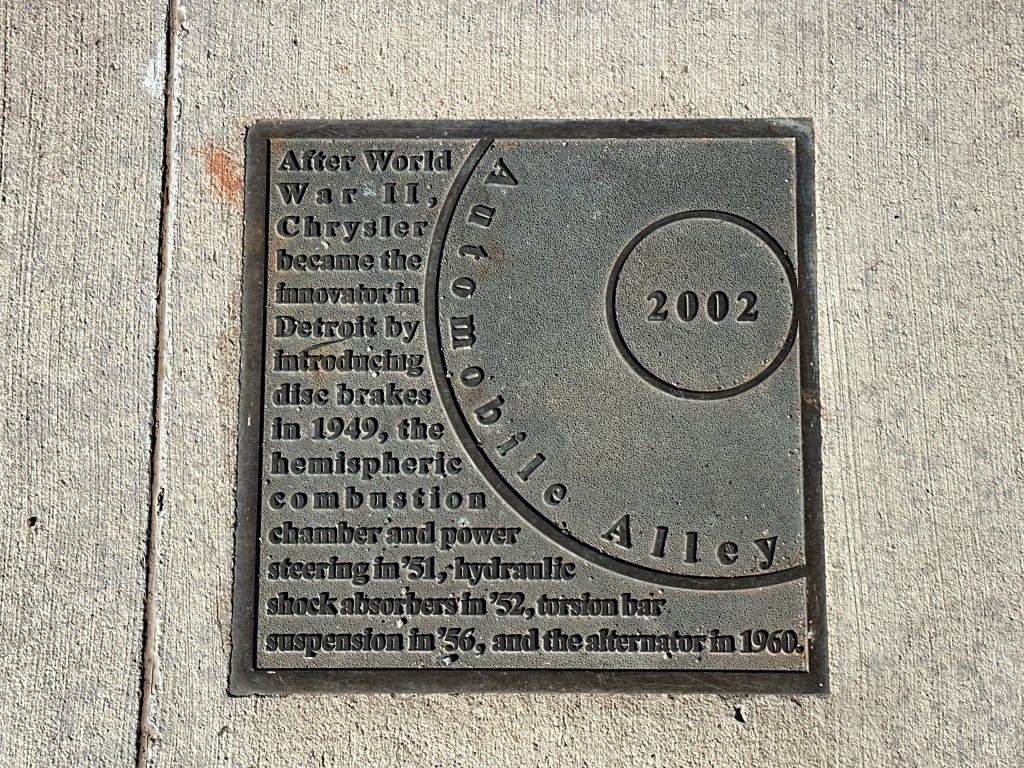
Automobile Alley 2002
“After World War II, Chrysler became the innovator in Detroit by introducing disc brakes in 1949, the hemispheric combustion chamber and power steering in ’51, hydraulic shock absorbers in ’52, torsion bar suspension in ’56, and the alternator in 1960.”
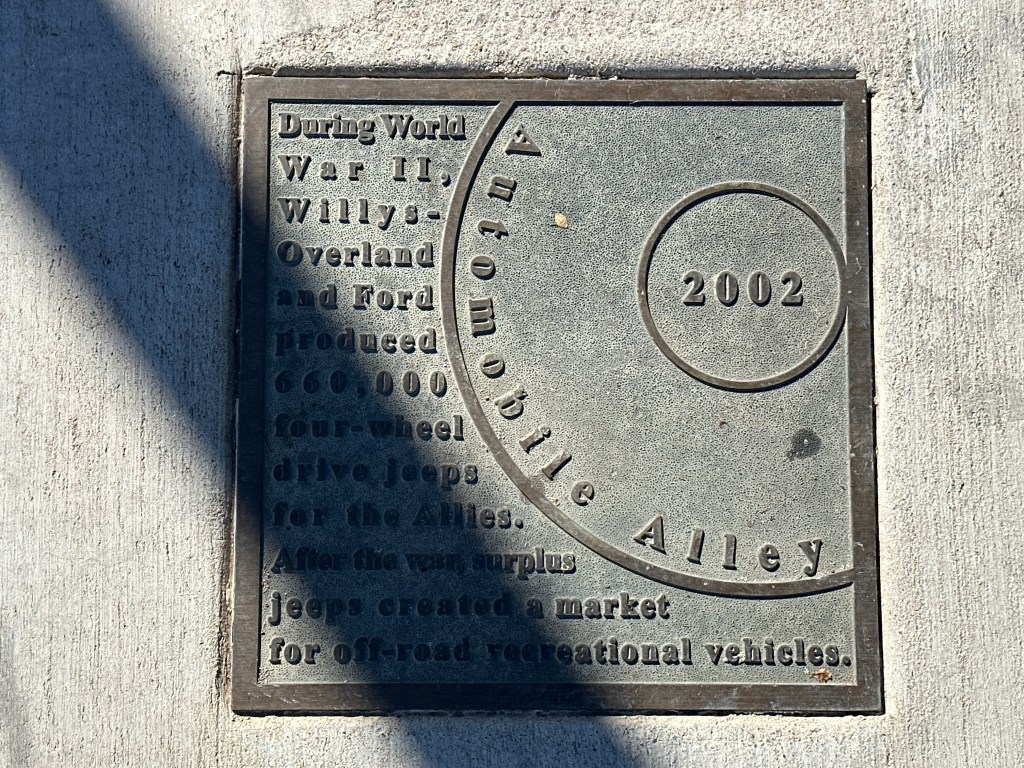
Automobile Alley 2002
“During World War II, Willys-Overland and Ford produced 660,000 four-wheel drive jeeps for the Allies. After the war, surplus jeeps created a market for off-road recreational vehicles.”
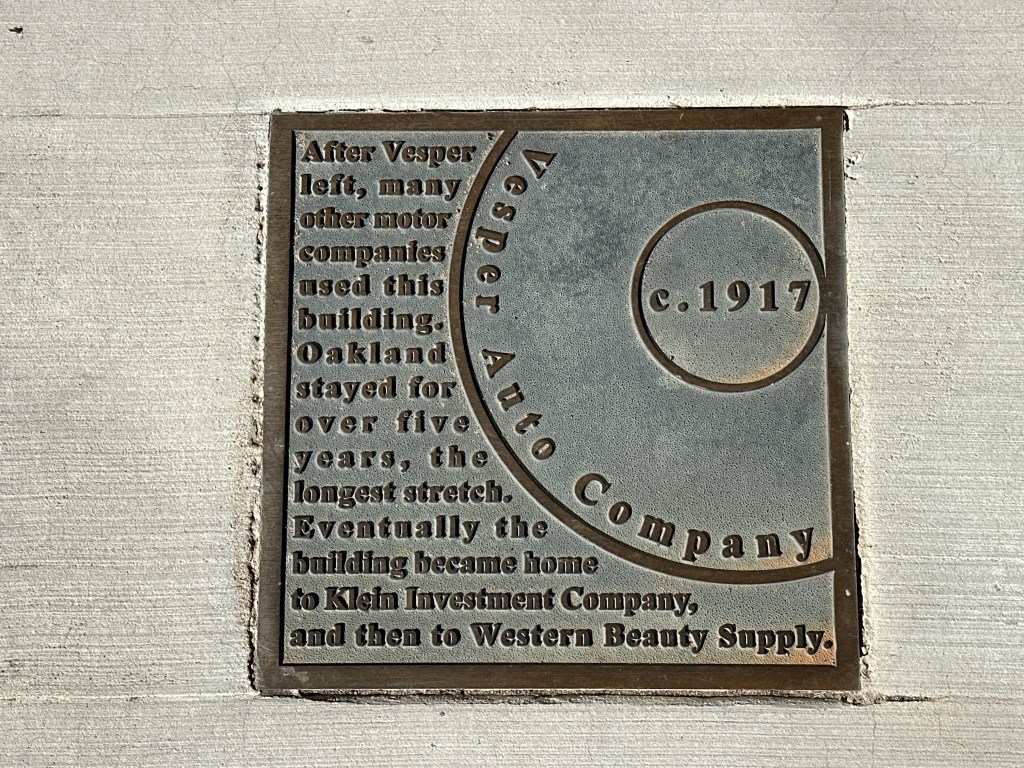
Vesper Auto Company c. 1917
“After Vesper left, many other motor companies used this building. Oakland stayed for over five years, the longest stretch. Eventually the building became home to Klein Investment Company, and then to Western Beauty Supply.”

Paige Motor Car Company c. 1924
“After Paige Motor Car Company vacated this building in 1926, the building was divided into two separate spaces. Various auto companies occupied each space, but the longest tenant was Good year Tire & Rubber Company, operating here for almost 15 years.”

The Lighthouse Restaurant c. 1924
“This building remained a restaurant until the mid-1930s when the space had a short life as an auto sales company. The tenant that did business the longest time at this location was Nine-Eleven, a taproom and cafe that lasted nearly a decade.”
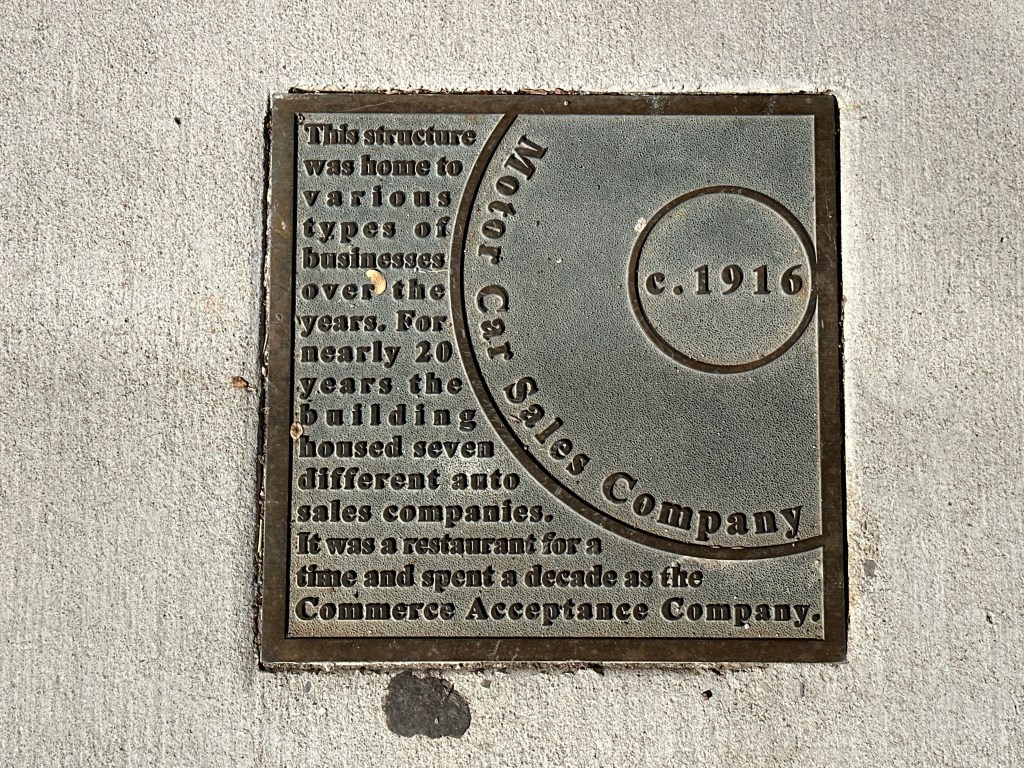
Motor Car Sales Company c. 1916
“This structure was home to various types of businesses over the years. For nearly 20 years the building housed seven different auto sales companies. It was a restaurant for a time and spent a decade as the Commerce Acceptance Company.”

Paige Motor Car Company c. 1915
“After Paige’s departure, many other car sales companies occupied this space during the rest of the Automobile Alley craze. Moody’s Electric Supply and a refrigerator shop had brief stays in 1937 and ’39.”

Cadillac Sales Company c. 1915
“Over the years this building housed many automobile dealers. Foster Glen Autos was the tenant here for the longest time and also occupied 905-909 N. Broadway. From 1925-1936 these three neighboring buildings were used as one large facility.”
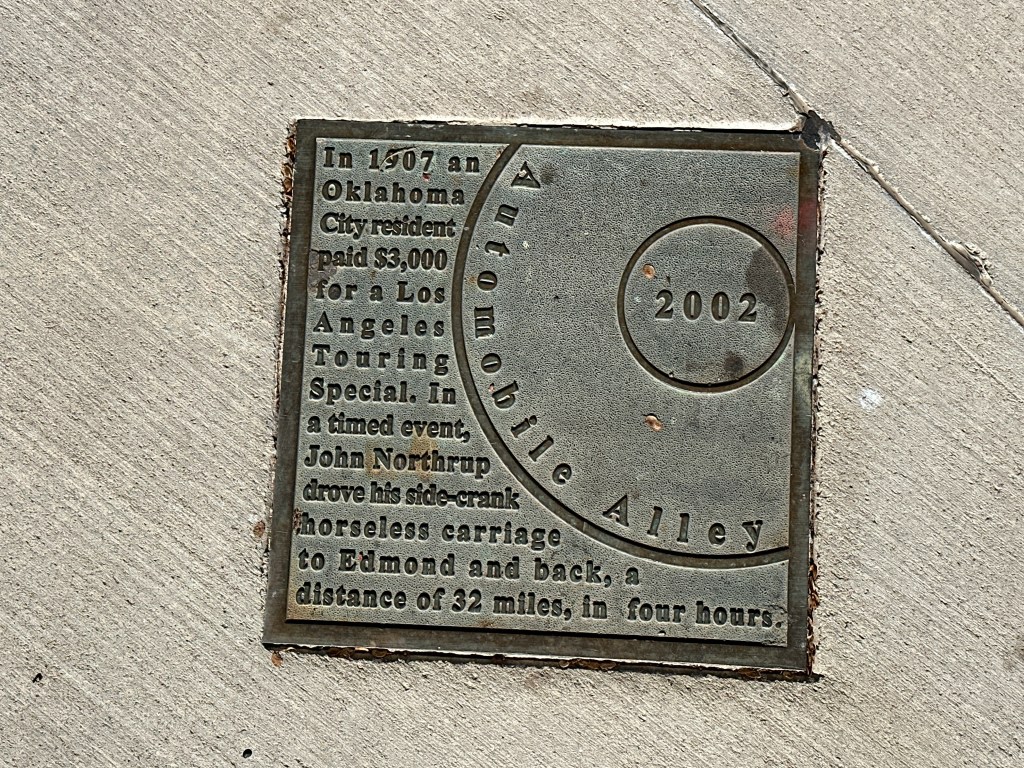
Automobile Alley 2002
“In 1907 an Oklahoma City resident paid $3,000 for a Los Angeles Touring Special. In a timed event, John Northrup drove his side-crank horseless carriage to Edmond and back, a distance of 32 miles, in four hours.”
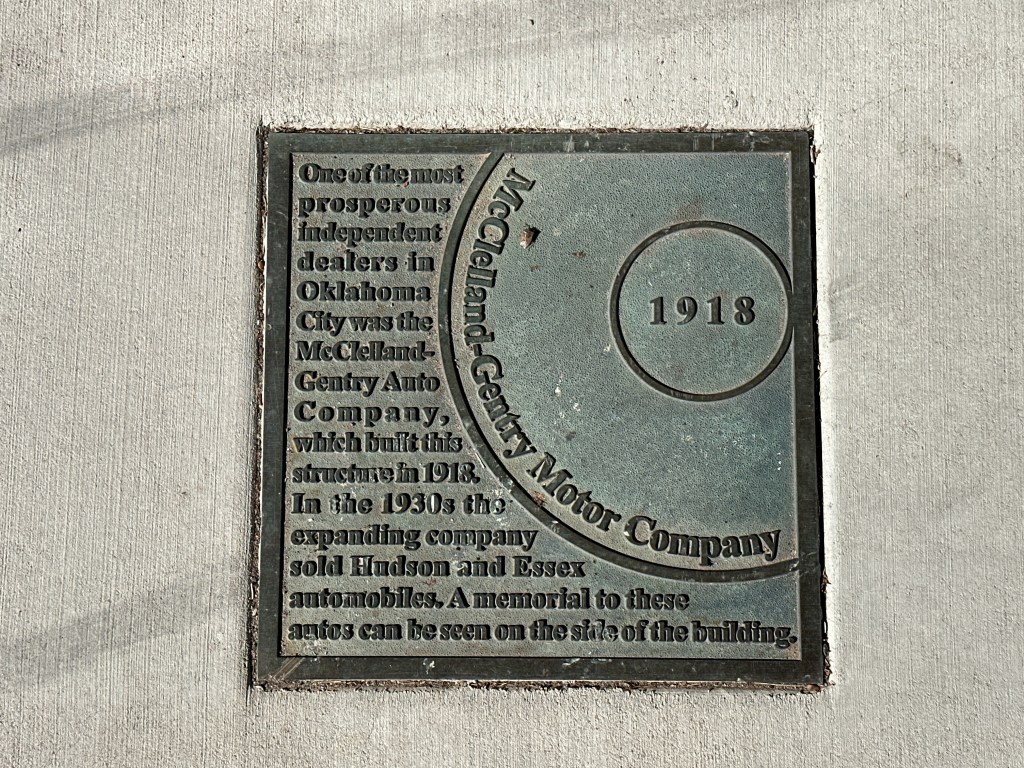
McClelland-Gentry Motor Company 1918
“One of the most prosperous independent dealers in Oklahoma City was the McClelland-Gentry Auto Company, which built this structure in 1918. In the 1930s the expanding company sold Hudson and Essex automobiles. A memorial to these autos can be seen on the side of the building.”
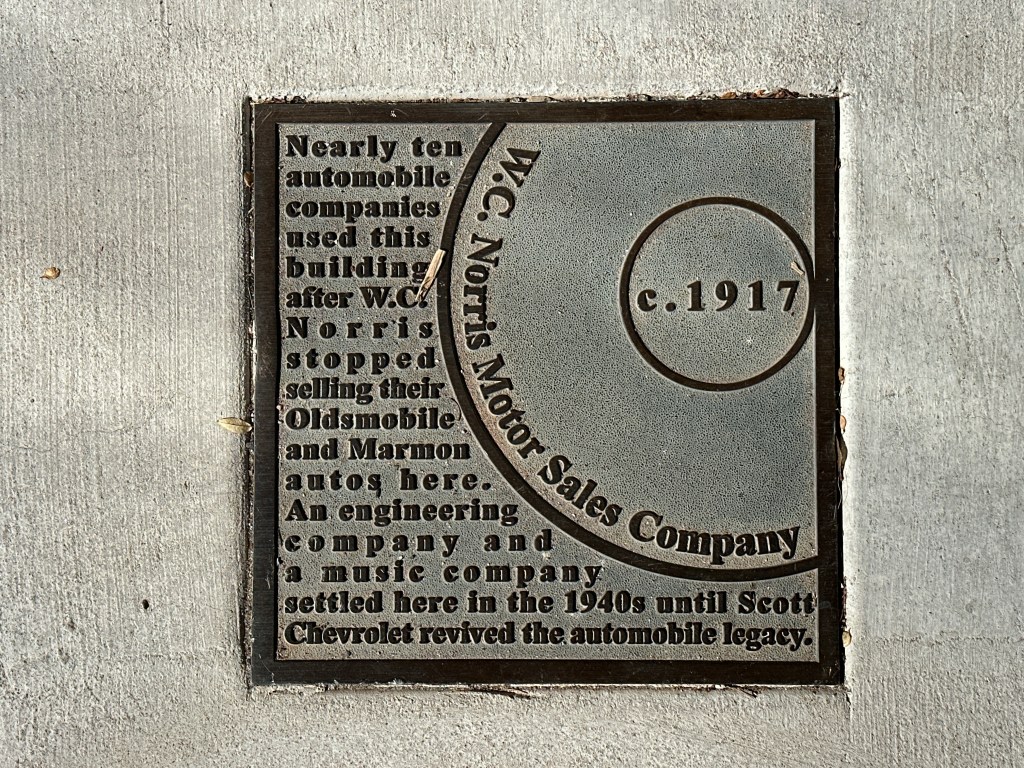
W.C. Norries Motor Sales Company c. 1917
“Nearly ten automobile companies used this building after W.C. Norris stopped selling their Oldsmobile and Marmon autos here. An engineering company and a music company settled here in the 1940s until Scott Chevrolet revived the automobile legacy.”
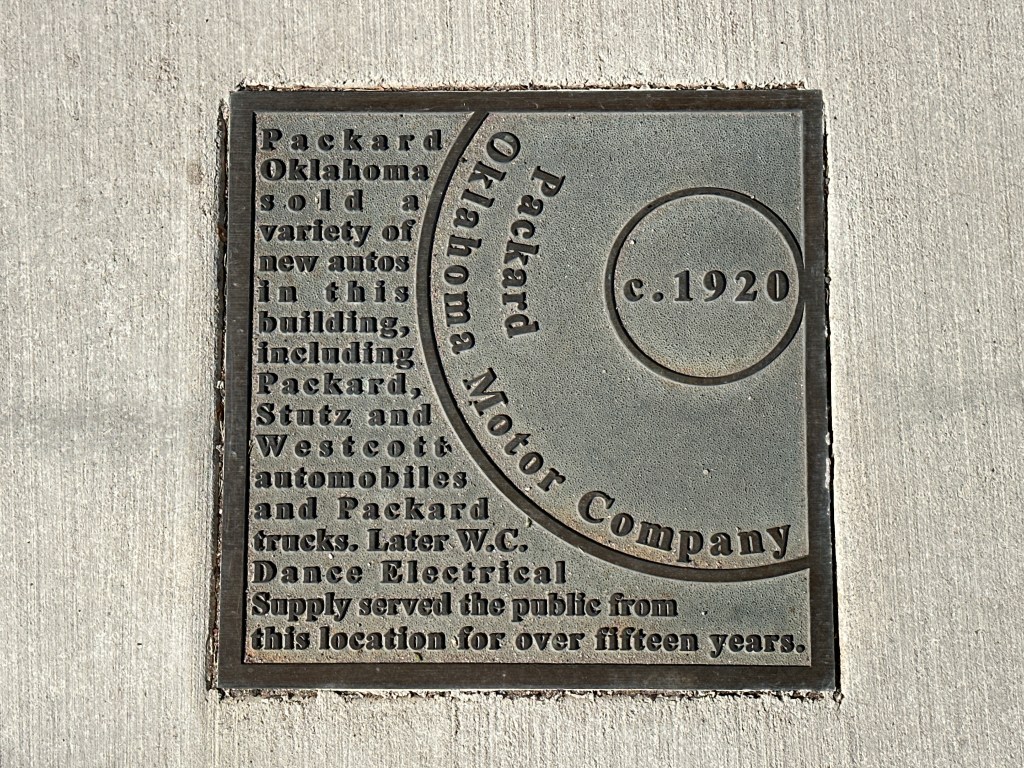
Packard Oklahoma Motor Company c. 1920
“Packard Oklahoma sold a variety of new autos in this building, including Packard, Stutz and Westcott automobiles and Packard trucks. Later W.C. Dance Electrical Supply served the public from this location for over fifteen years.”
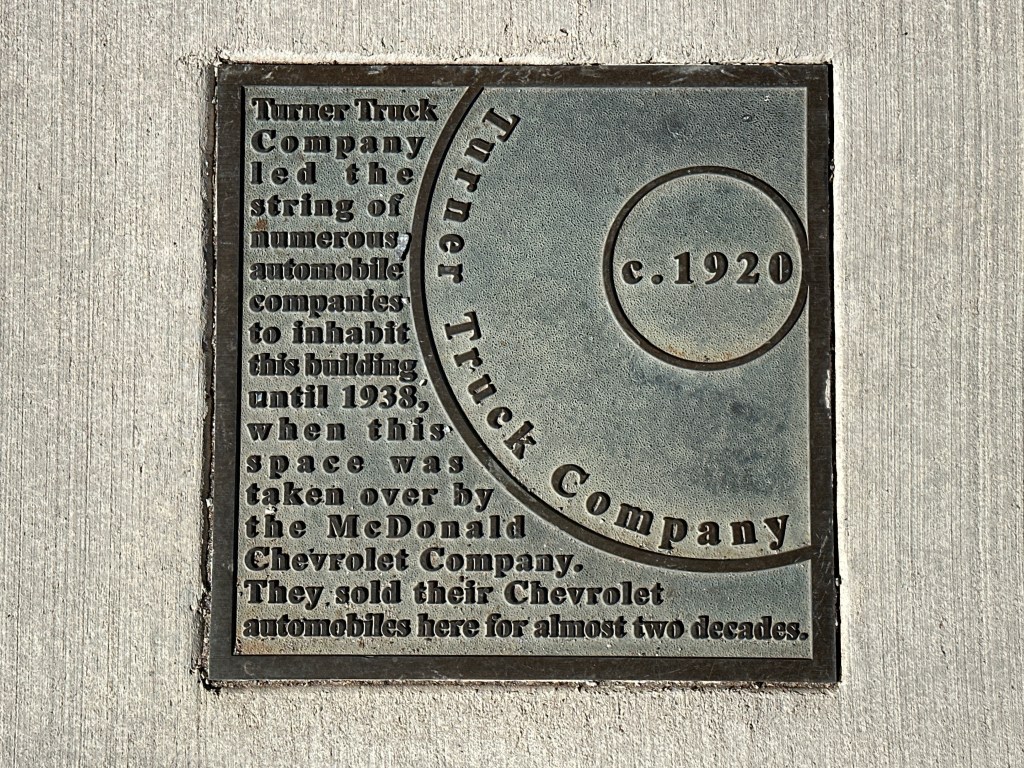
Turner Truck Company c. 1920
“Turner Truck Company led the string of numerous automobile companies to inhabit this building until 1938, when this space was taken over by the McDonald Chevrolet Company. They sold their Chevrolet automobiles here for almost two decades.”

McDonald-Scott Chevrolet c. 1937
“For over two decades this building housed the office, showroom and garage facilities of McDonald-Scott. In 1957 the firm became Scott Chevrolet and expanded to occupy the better part of three blocks on North Broadway.”
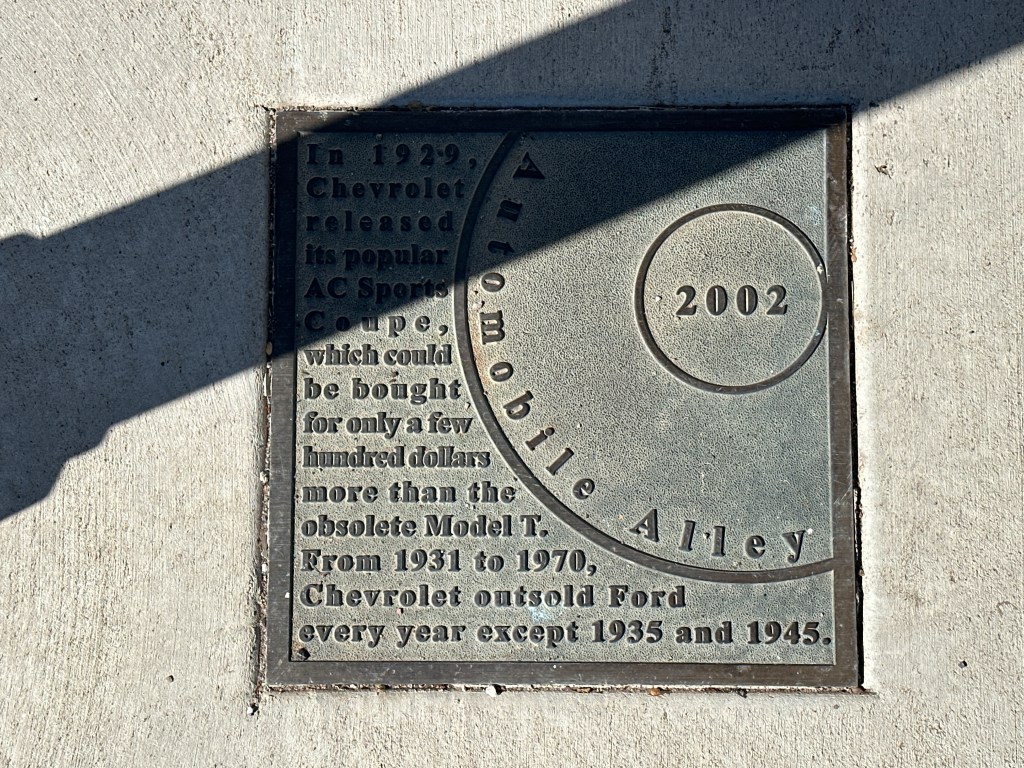
Automobile Alley 2002
“In 1929, Chevrolet released its popular AC Sports Coupe, which could be bought for only a few hundred dollars more than the obsolete Model T. From 1931 to 1970, Chevrolet outsold Ford every year except 1935 and 1945.”

Automobile Alley 2002
“As early as 1922, 73 percent of car sales in the United States were financed on the installment plan, usually with one-third down and the balance due in twelve monthly payments.”

McClelland-Gentry Motor Company 1915
“Several different automobile and motor companies operated their businesses here from 1915 well into the 1960s. Although some survived only a year or two, others, such as the American Electric Ignition Company, made this their home for over a decade.”
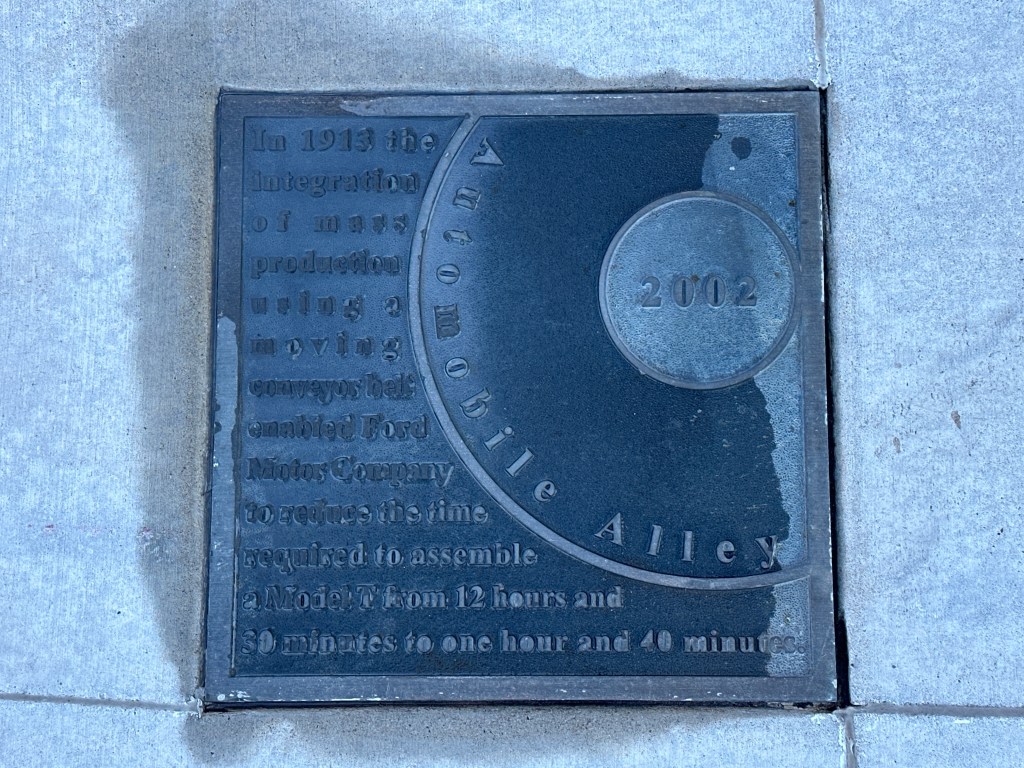
Automobile Alley 2002
“In 1913 the integration of mass production using a moving conveyor belt enabled Ford Motor Company to reduce the time required to assemble a Model T from 12 hours and 30 minutes to one hour and 40 minutes.”


Magnolia Petroleum Building c. 1919
“The Magnolia Petroleum Building was built as a headquarters for one of the Southwest’s largest pipeline distribution firms. A drive-through filling station was originally on the ground level. Magnolia remained until 1960 and eventually the structure was listed on the National Register of Historic Places.”

Oklahoma Auto Exchange c. 1916
“Originally built for the Oklahoma Auto Exchange, Smith Standard Parts Company occupied this structure for almost a decade. During the Automobile Alley heyday, Smith shared the space with the Central Spiritual Church.”

Packard Missouri Motor Company c. 1916
“Numerous tire stores and parts companies moved through this building following Packard Missouri’s departure. The most widely known tenant was the Broadway Machine Shop, occupying the space for over a decade.”

Kelly Motor Company / Congress Hotel c. 1915
“This building, originally three stories tall, was home to various auto supply shops including a steel coach and trailer corporation. In 1920 and throughout the Automobile Alley heyday, the Congress Hotel occupied the upstairs space. The upper two floors were removed in 1985 after a fire.”
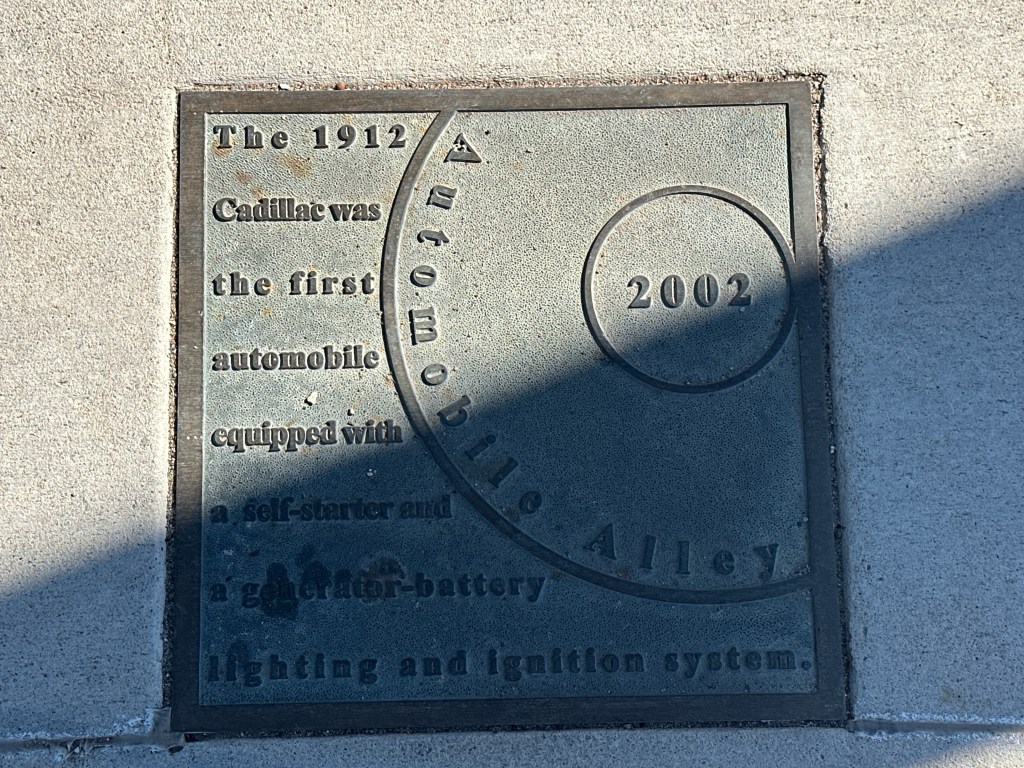
Automobile Alley 2002
“The 1912 Cadillac was the first automobile equipped with a self-started and a generator-battery lighting and ignition system.”

Hocker Flournoy Motor Company c. 1915
“Followed by many other short-lived motor companies, Hocker Flournoy used this building for only a few years. Kinnebrew Motor Company was the last to sell automobiles here before the Brittain Brothers opened their auto parts store in 1944 and remained until the late 1950s.”

Automobile Alley 2002
“Carl Magee invented the first parking meter in response to growing parking congestion downtown. He patented the design in 1932 and soon started the Magee-Hale Park-O-Meter company with Gerald Hale. The first meter was installed on July 16, 1935 in downtown Oklahoma City.”

Apperson Motor Sales Company c. 1916
“Apperson Motor Sales sold the Chummy and also Roadster automobiles before closing their doors. After they left, several motor companies moved in and out of this building. For a few years a loan and rental shop conducted business here.”
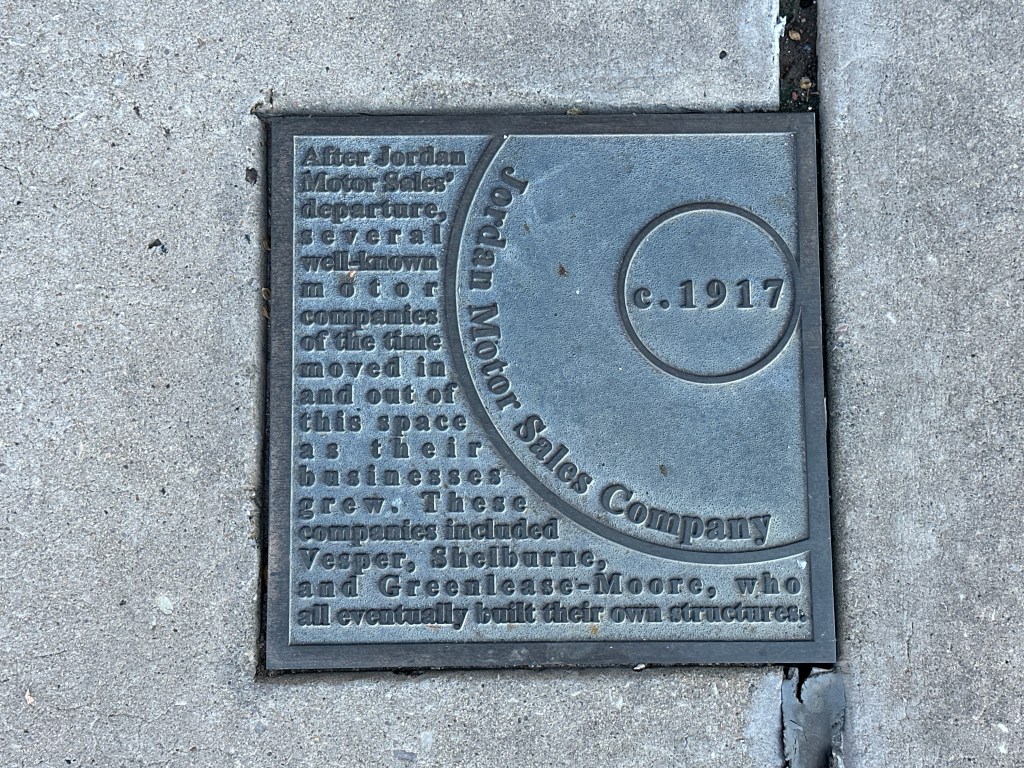
Jordan Motor Sales Company c. 1917
“After Jordan Motor Sales’ departure, several well-known motor companies of the time moved in and out of this space as their businesses grew. These companies included Vesper, Shelburne, and Greenlease-Moore, who all eventually built their own structures.”
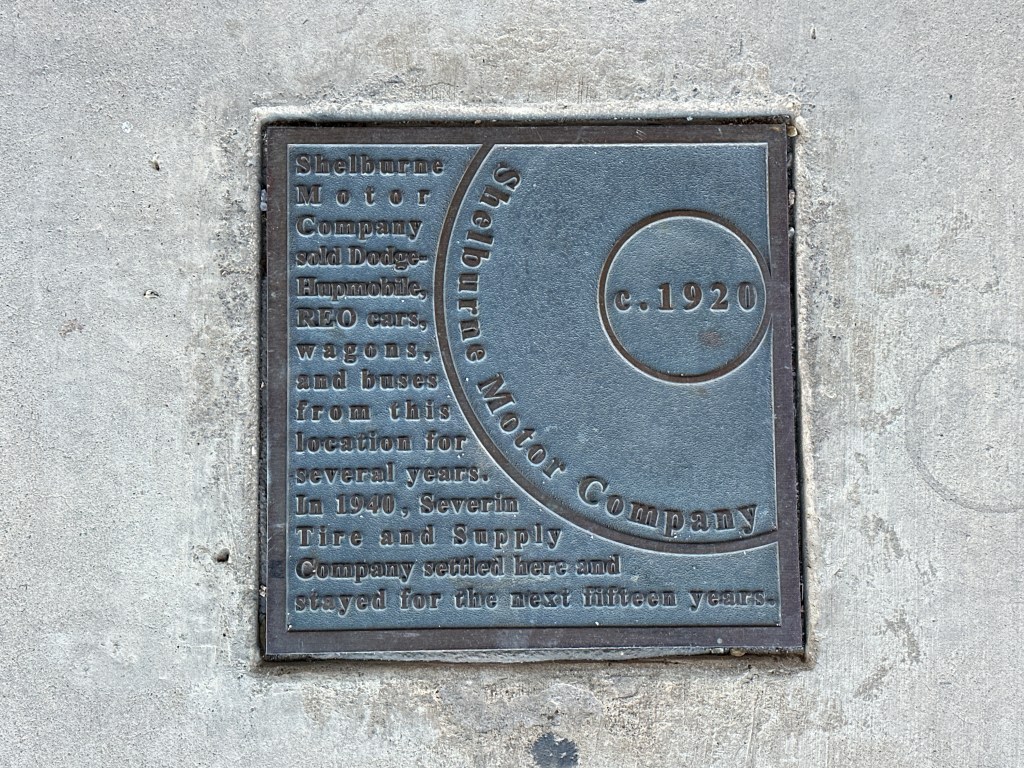
Shelburne Motor Company c. 1920
“Shelburne Motor Company sold Dodge-Hupmobile, REO cars, wagons, and buses from this location for several years. In 1940, Severin Tire and Supply Company settled here and stayed for the next fifteen years.”

Automobile Alley 2002
“The first nationally franchised motor court hotel, coined the ‘motel,’ was opened on the outskirts of Memphis, Tennessee, in 1952. It was called the Holiday Inn.”
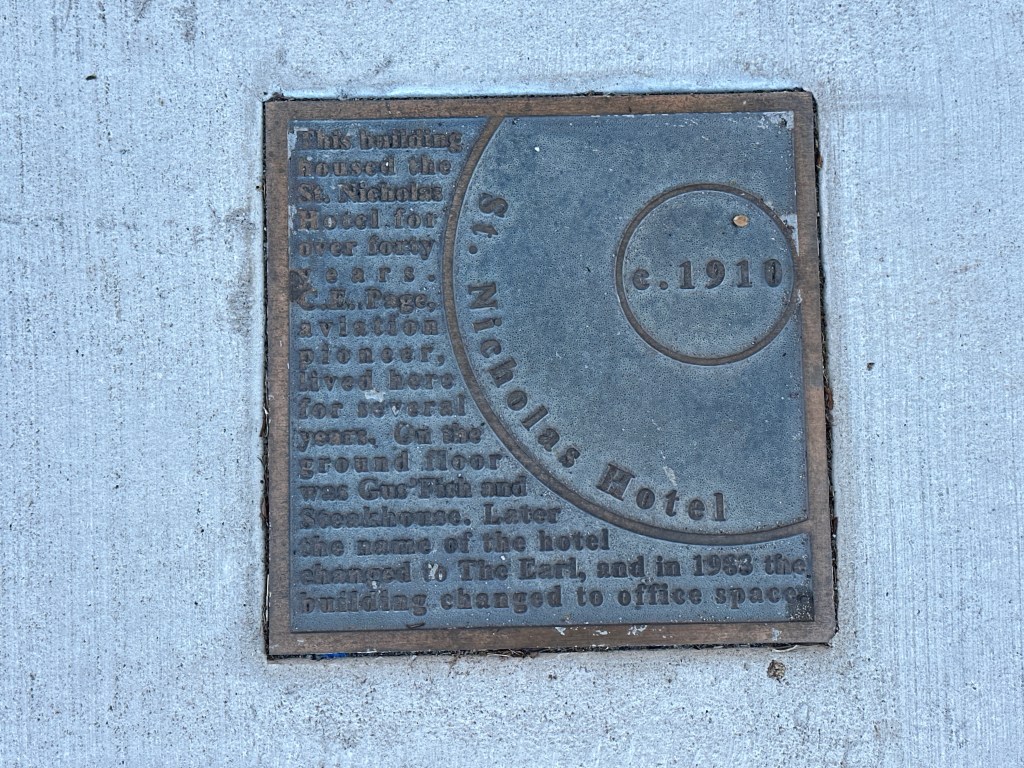
St. Nicholas Hotel c. 1910
“This building housed the St. Nicholas Hotel for over forty years. C.E. Page, aviation pioneer, lived here for several years. On the ground floor was Gus’ Fish and Steakhouse. Later the name of the hotel changed to The Earl, and in 1983 the building changed to office spaces.”

Greenlease-Moore Cadillac Co. c. 1924
“This structure was built by the most prolific automobile dealer on Automobile Alley, Greenlease-Moore. This building was designed to complement the adjoining building, also occupied by the company at the time. Greenlease-Moore occupied these buildings for over 15 years.”

“Broadway’s width originally allowed to turn around a full team of horses and wagon.”
Sources
Historic Markers in Automobile Alley.
 The Active Historian
Leave a comment